UK Business News, Trends and Analysis

Business decisions are shaped by much more than company announcements and market headlines. Changes in the economy, technology, consumer behaviour, employment and government policy can all influence how businesses operate and grow.
At Trend Weekly, our UK business coverage focuses on developments that have a practical impact on companies, entrepreneurs, workers and consumers across Britain. We look at the stories behind the numbers, explain important changes in straightforward language and provide context where a headline alone does not tell the full story.
What's changing in UK business right now
The UK business environment can change quickly. Interest rates, consumer spending, regulation, technology and wider economic conditions can all affect the decisions businesses make.
For a small company, a change in operating costs or customer demand can have an immediate effect. Larger organisations may be more concerned with investment, hiring, supply chains or changing market conditions.
Our coverage follows these developments while focusing on what they mean in practice. Instead of simply repeating company announcements or economic figures, we look at the wider context and explain why a particular development deserves attention.
Business news is also not limited to major corporations. Small businesses, independent companies and growing startups make up a significant part of the UK economy, and their experiences can reveal how broader changes are affecting businesses on the ground.
How business changes affect companies and consumers
A major business development can have consequences beyond the company involved.
Changes in prices, employment, investment or supply can eventually affect customers, employees and other businesses. A new service may change how people buy something, while a company restructuring may affect jobs or local communities.
For businesses, understanding these developments can help put their own decisions into perspective. Rising costs may require a different approach to pricing, while changes in customer behaviour can create opportunities for companies willing to adapt.
Our UK business coverage connects these wider developments with the practical issues that businesses and consumers are likely to encounter.

Startups, small businesses and the wider economy
Small businesses and startups play an important role in the UK’s commercial landscape. They often have to respond quickly when costs, customer expectations or market conditions change.
For new businesses, decisions around funding, hiring, technology, marketing and growth can be particularly important. Established small companies may instead be looking at how to improve efficiency, retain customers or manage changing operating costs.
The wider economy provides the background for many of these decisions. Inflation, interest rates, employment figures and consumer confidence can influence business activity, but headline economic data does not always explain how those changes are experienced by individual companies.
Our coverage aims to bridge that gap by looking at the relationship between major economic developments and the businesses operating within the UK.
Workplace and business trends worth watching

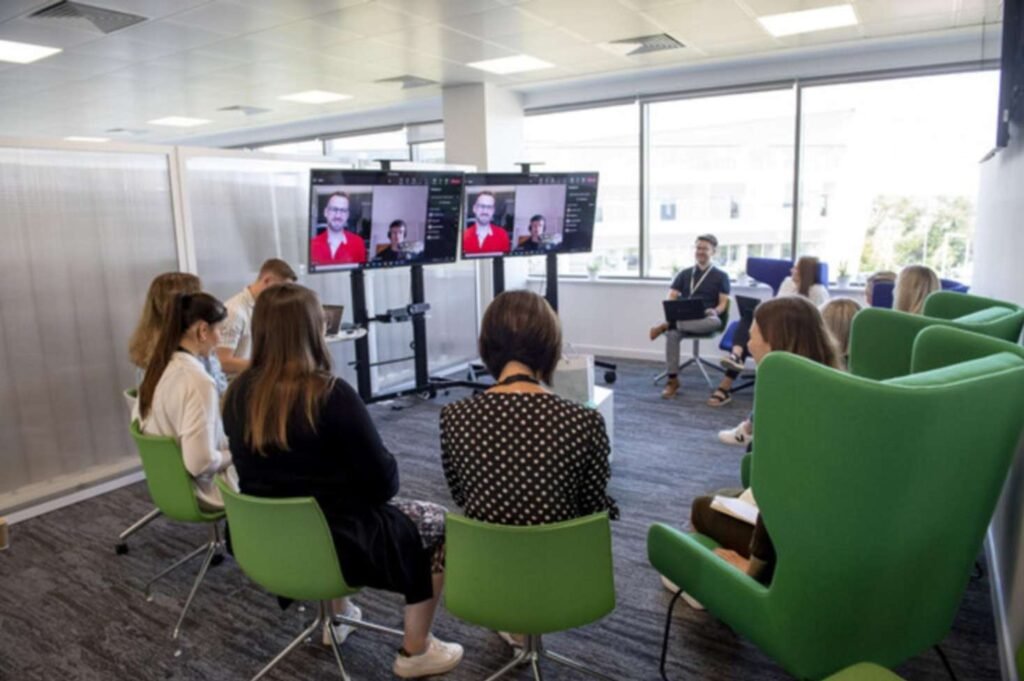

The modern workplace continues to change as businesses adopt new technology, reconsider working arrangements and respond to changing expectations from employees and customers.
Artificial intelligence and automation are influencing some business processes, while cloud software and digital services continue to change how teams communicate and manage their work. At the same time, businesses still have to consider the human side of these changes, including training, productivity and workplace culture.
Not every trend will have the same effect on every company. A technology that works well for a large organisation may not make financial or practical sense for a small business.
That is why we focus on developments with a clear connection to the way UK businesses operate rather than treating every new business trend as a major transformation.
How we cover UK business
Business reporting depends on accurate information and clear sourcing. Where relevant, our coverage draws on company announcements, official statistics, government information, regulatory sources and other reliable material.
Financial figures and economic data should be presented in their proper context, particularly when comparing different periods or businesses. Claims about companies should also be distinguished from independent analysis or interpretation.
We avoid presenting speculation as fact and aim to make the difference between reporting, analysis and opinion clear to readers.
Where a story develops after publication, relevant information should be reviewed and updated so the article continues to reflect the available facts.