Technology News, Trends and Analysis for the UK

Technology is changing how people across the UK work, communicate, shop and spend their free time. From smartphones and software updates to cybersecurity, digital services and emerging technologies, new developments can quickly become part of everyday life.
At Trend Weekly, we focus on the technology stories that are actually useful to people in Britain. Rather than chasing every product launch or repeating announcements, we look at what has changed, why it matters and how it could affect consumers, workers and businesses in the UK.
What's actually changing in technology right now
The technology landscape moves quickly, but not every new feature or product deserves attention. Some developments make everyday tasks easier, while others introduce new costs, privacy concerns or practical problems that users need to understand.
Our coverage looks beyond the announcement itself. We consider how new software, devices and digital services work in practice, what has changed from previous versions and whether those changes offer a meaningful benefit.
That includes major updates to consumer technology, developments in artificial intelligence, changes to online services and the wider shift towards connected devices. Where a new development could affect how people work, communicate or manage their digital lives, we explain the practical side rather than relying on hype.
Technology also brings trade-offs. Convenience can come with privacy questions, new features can make older devices feel outdated, and security risks often become more important as people rely on more connected services. Understanding those differences helps readers make better decisions instead of simply following the latest trend.
How technology is affecting people and businesses in the UK
Technology is no longer something people interact with only when they buy a new device. It is built into banking, shopping, communication, entertainment, work and many of the services people use every day.
For individuals, relatively small changes can make a noticeable difference. A software update may change how an app works, a new phone feature may improve accessibility, or a security change may require users to adjust the way they protect their accounts.
Businesses face a different set of decisions. New tools can reduce repetitive work, improve communication or make it easier to serve customers, but adopting technology simply because it is popular does not always produce better results. Cost, security, compatibility and the time required to train staff all matter.
Our UK technology coverage aims to put those developments into context, especially for people who want a straightforward explanation without having to work through technical jargon first.

Technology trends worth paying attention to
Some technology trends develop gradually before becoming part of normal life. Others appear suddenly and create questions that consumers and businesses need answered.
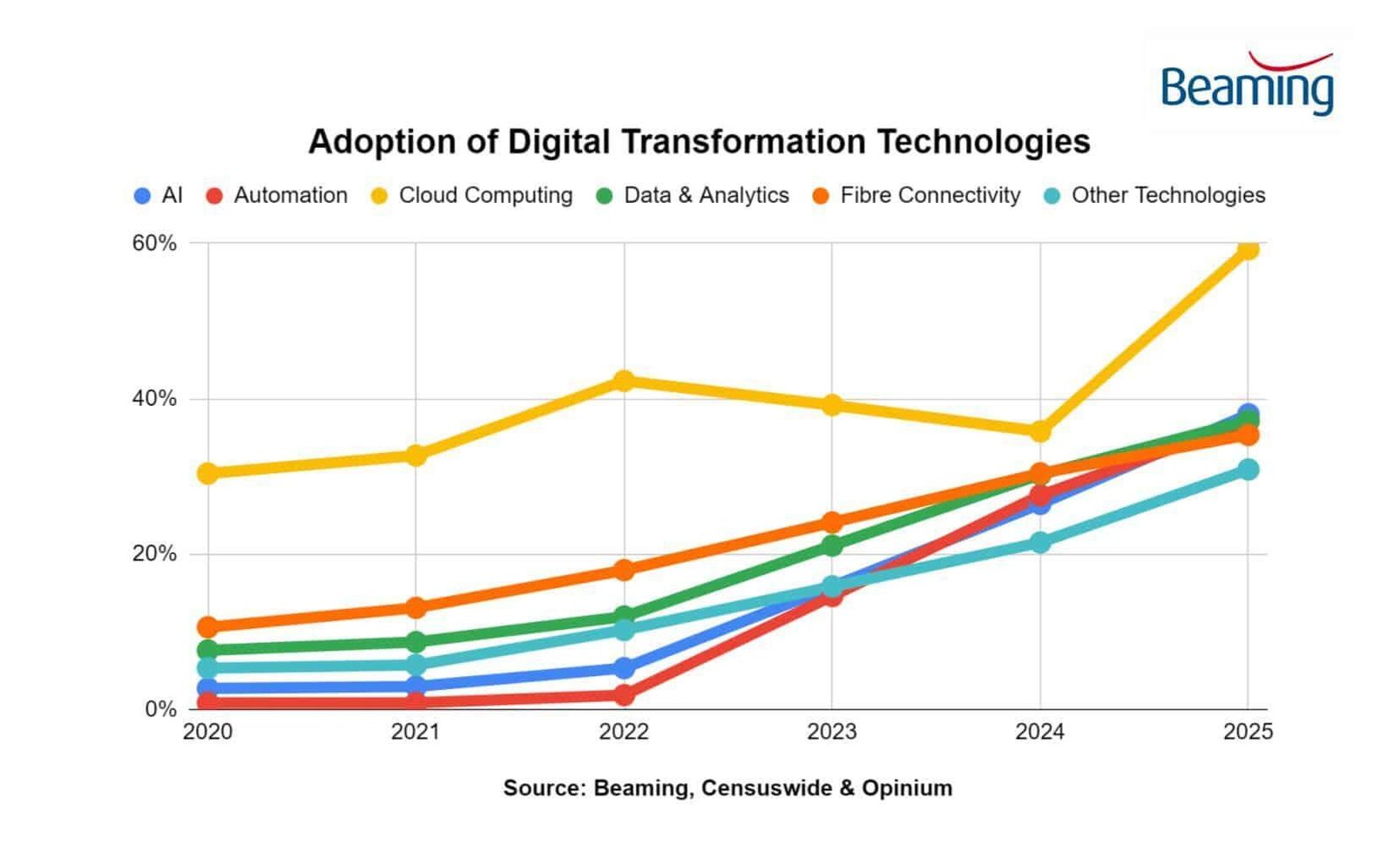
Artificial intelligence is one example, but it is only part of the wider picture. Cloud services, cybersecurity, digital payments, smart devices, workplace software and changes in how people access online services are also reshaping everyday technology.
We pay attention to trends when there is a practical reason for readers to understand them. That might mean explaining a technology that is becoming more common, looking at a change that affects existing users or examining where a fast-moving development could create new opportunities and challenges.
The goal is not to predict that every emerging technology will become mainstream. It is to separate developments with genuine practical relevance from short-lived excitement.
What to know before adopting new technology
New technology can solve a real problem, but choosing the right tool or device is rarely just about having the newest features.
Before adopting something new, it is worth considering what problem it is supposed to solve, how often it will actually be used and whether the additional cost is justified. Privacy and security should also be part of the decision, particularly when a product or service requires access to personal information.
For businesses, the same principle applies at a larger scale. A tool that saves time for one team may create additional work elsewhere if it does not integrate properly with existing systems. Reliability, support, data handling and long-term costs can be just as important as the headline features.
Our technology coverage aims to answer those practical questions so readers can understand the difference between a genuinely useful development and something that simply happens to be trending.

Who writes this technology coverage
Technology stories are reviewed with the reader’s practical needs in mind. We focus on explaining what has changed, where relevant information comes from and what the development means beyond the headline.
For product, software and digital-service coverage, claims should be checked against reliable sources and relevant official information where available. When a story involves an important update, security issue or significant change, the information should be reviewed before publication and updated when the underlying facts change.
We also avoid presenting speculation as fact. If something is still developing or its wider impact is uncertain, we make that distinction clear.
For readers who are not technically minded, our aim is simple: explain technology in plain English without removing the details that matter.